Wall Charger vs Power Bank: Which Should You Buy First?
CHARGING SETUP • BUYING DECISION
Wall charger vs power bank: buy the missing part of your setup
Start with where you charge, then match the device, cable and budget. More watts cannot replace access to power.
Affiliate disclosure: As an Amazon Associate I earn from qualifying purchases. We may earn a commission through other retailer links. Shopping buttons open retailer search results. Compare the exact model, condition, seller and checkout total; no retailer is assumed to be cheaper.
The wall charger vs power bank decision is easiest when you describe the problem before shopping. Are you short of sockets at a desk, carrying a phone through a long day, or trying to keep a laptop available between meetings? These situations can look similar in a retailer search but require different equipment.
This guide compares the purchase decision rather than ranking products from an unperformed test. You will find a practical comparison table, three everyday scenarios, a complete-kit budget method and questions to check before ordering. It also explains why a large discount should come after compatibility in your decision.
What is the main difference?
A conventional wall charger takes power from an electrical outlet and supplies a compatible device. A power bank stores energy in an internal battery so it can supply a device away from an outlet. That stored reserve is finite and must be replenished. This difference matters more than their shared use of a USB-C cable.
Think of a wall charger as the starting point for an outlet-based setup. Think of a power bank as a reserve you carry. The reserve can be extremely useful, but it introduces another battery to charge, inspect and pack. If you forget to refill it, its portability does not solve a low-battery afternoon.
| Question | Wall charger | Power bank |
|---|---|---|
| Needs an outlet while supplying your device? | Yes, in ordinary use | No, while using stored energy |
| Has a finite battery reserve? | Ordinary adapters do not store a useful reserve | Yes; available energy decreases during use |
| Useful for a desk? | Often the natural starting point | Useful where outlet access is inconvenient |
| Useful during movement? | Only when you can stop at a suitable outlet | Yes, subject to device and cable compatibility |
| What determines charging speed? | Output, protocol, cable and device | Output, protocol, cable, device and operating conditions |
| What else should you budget for? | Suitable cable and any necessary plug arrangement | Cable and a supported refill source |
Buy a wall charger first when outlet charging is the problem
If your device regularly reaches your desk almost empty but then spends hours beside an outlet, reliable stationary charging deserves attention. Check whether your current adapter supports the device’s needs and whether the cable is suitable. A different accessory may be unnecessary if replacing a faulty cable resolves the issue.
A charger purchase makes more sense when you have identified a clear limitation: insufficient supported output, too few useful ports, an awkward arrangement or a missing adapter. Do not replace a working unit solely because a newer model advertises a larger combined wattage. Match the actual task you want to improve.
One device or several?
For one laptop, compare the output of the specific USB-C port you will use. For a laptop and phone, check the simultaneous allocation table. A charger’s total rating can be divided across ports, so a headline total is not necessarily available to the laptop after you connect a second device.
Consider your furniture and outlet position too. A compact adapter is convenient only if it fits the available space and the cable reaches safely. If the outlet is behind a desk, a different cable length or desktop arrangement may solve more than a tiny adapter. See our desktop USB-C charger guide for that category.
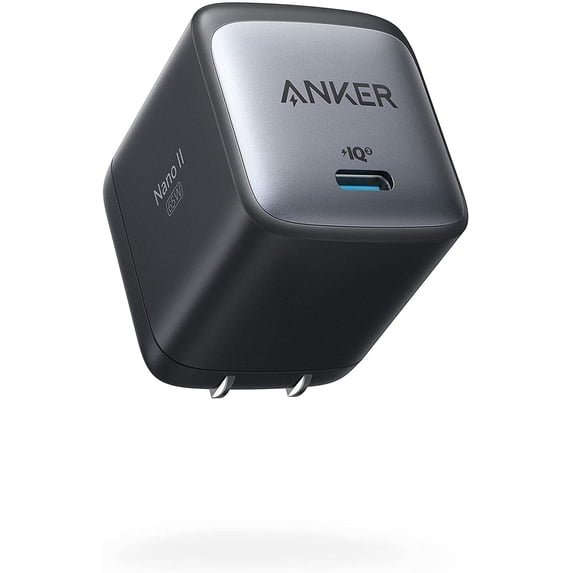
Best starting point for a desk-based routine
Compare a suitable USB-C wall charger first if you already have dependable outlet access. Check the required per-port output and the cable before adding more equipment. Our multi-port charger buying guide explains shared output and port selection.
Buy a power bank first when access is the problem
A phone that runs low while you are walking between appointments has a different problem from one charging slowly at a desk. Even an excellent wall adapter cannot help until you reach a usable outlet. A charged, compatible power bank can provide reserve energy during that gap.
Before purchasing, describe the length and purpose of that gap. An occasional emergency top-up may call for a different size than several devices used over a long day. Avoid choosing capacity without considering weight and space. The equipment you are willing to carry is more useful than a larger bank left behind.
Choose the reserve around the device
Phone and laptop requirements can differ substantially. For a laptop, verify supported USB-C charging, suitable output profiles and a cable rated for the intended connection. For a phone, check the charging mode required by the exact model. A product can charge a device without enabling its fastest charging mode.
Do not treat a printed mAh number as a guaranteed number of full refills. Usable energy depends on voltage, conversion losses and what the connected device is doing. If the laptop is working while charging, some energy supports that work. Our mAh versus Wh guide explains the comparison.
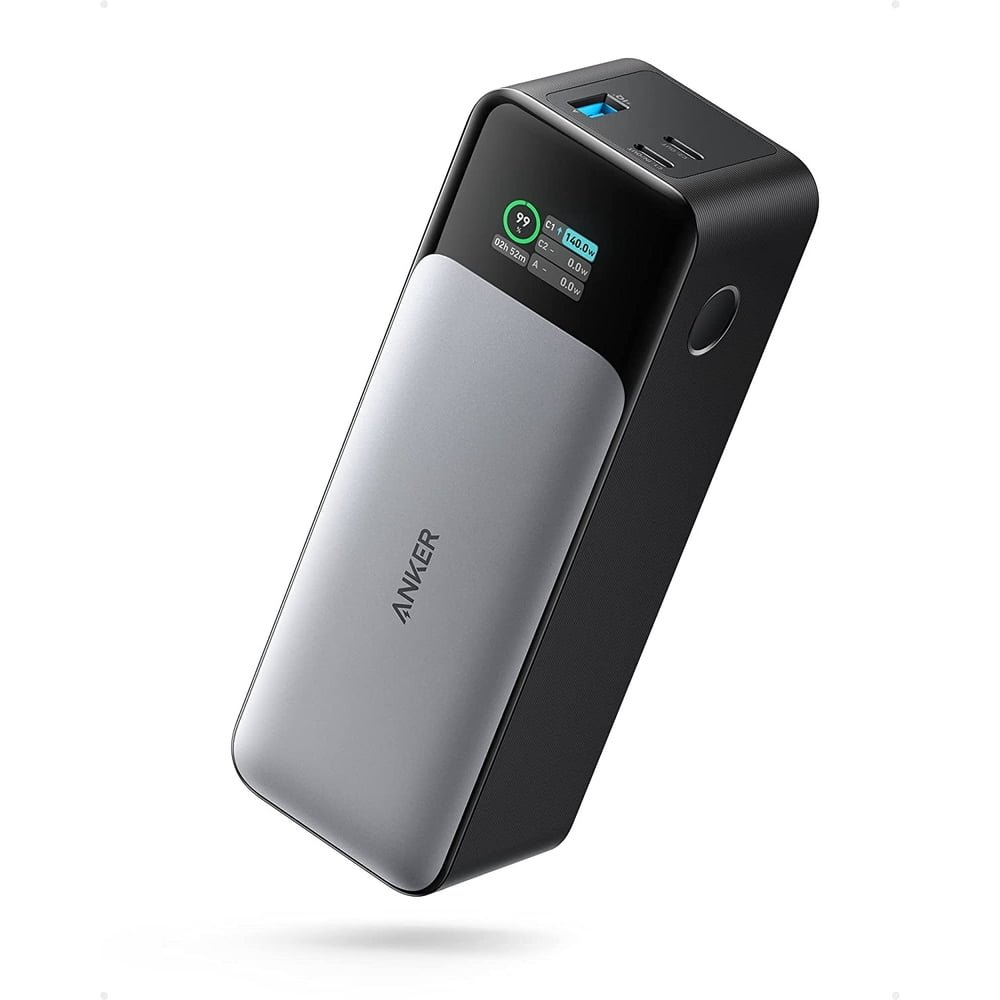
Best starting point for a long day away from outlets
If your current wall charger works, compare a power bank around your carry limits and device requirements. Check input as well as output so your existing adapter can replenish it within your routine. A larger battery that is inconvenient to refill can create another problem.
Which one charges faster?
Neither category automatically wins. Compare the operating connection: source output, supported charging mode, cable capability and device demand. A capable power bank can outperform an unsuitable small adapter, while a suitable adapter can outperform a limited bank. Category labels do not establish the result.
The USB-IF Power Delivery overview describes flexible power delivery and devices requesting the power they require. A standard’s maximum capability is not the output of every product using a USB-C connector. Read the model-specific specification and required cable information.
For a fair everyday comparison, use the same device, similar starting charge and a known-good cable. Remove unrelated accessories and note whether the device is active. A single brief reading cannot describe the complete charging session because demand changes as the battery fills and operating conditions change.
Ask whether speed actually changes your day before paying for a faster source. If either setup completes the task before you leave, a higher peak may bring little practical benefit. If you have a short charging break, output compatibility matters more, but it still needs to work with your device rather than merely look impressive.
Three routines and the purchase that makes sense
Scenario one: mostly home and office
Imagine you use a phone and laptop at two predictable desks. You already stop at outlets for long periods, but moving one adapter between rooms is inconvenient. A second suitable wall charger or an improved desk arrangement may address the actual friction better than carrying a power bank everywhere.
List which devices charge together and how many cables are already available. Compare an extra adapter with a multi-port option using the same simultaneous-use requirements. Do not assume a larger port count is necessary if the devices charge at different times. A simple setup can be easier to maintain.
Scenario two: frequent movement during the day
Now imagine a phone used for maps, calls and photos while you spend hours between dependable charging stops. The missing capability is portable reserve. If your existing wall charger can refill a suitable bank at home, purchasing the bank first can address that situation without replacing the entire kit.
Plan where the bank sits while charging the device. Check cable length, connector access and whether the combined equipment fits your bag. A small inconvenience repeated every day matters more than an optional display you rarely read. Prioritize a setup you can use comfortably.
Scenario three: laptop work in changing locations
A mixed routine can justify both products. Use a suitable adapter where you have reliable power and a compatible bank for gaps between locations. The purchase order depends on what already works. Keep a good adapter and add reserve; keep a suitable bank and fix an inadequate refill setup.
Before buying both, check your laptop’s needs and the bank’s input independently. A charger capable of powering the laptop does not automatically deliver the bank’s maximum input in every port arrangement. If several devices recharge together, inspect the charger’s allocation chart for that exact combination.
Compare the cost of a complete kit
Start with equipment you own, then price only the missing parts. Record the source, suitable cable, any genuinely required adapter and shipping or checkout charges. A bank without a suitable refill source can cost more than its listing suggests. A charger bundle can also be poor value if its extras are unsuitable.
Use a simple worksheet: current problem, existing working equipment, missing capability, candidate product and complete additional cost. This keeps the decision tied to a practical improvement. It also makes two bundles easier to compare without giving unnecessary accessories the same value as items you actually need.
A replacement should earn its place. If your current setup meets your needs, keeping it may be the best budget decision. If you repeatedly miss charging opportunities, buy around that specific failure. Do not assume every inconvenience requires a premium model or that a low price makes the wrong category worthwhile.
What about a hybrid wall charger and power bank?
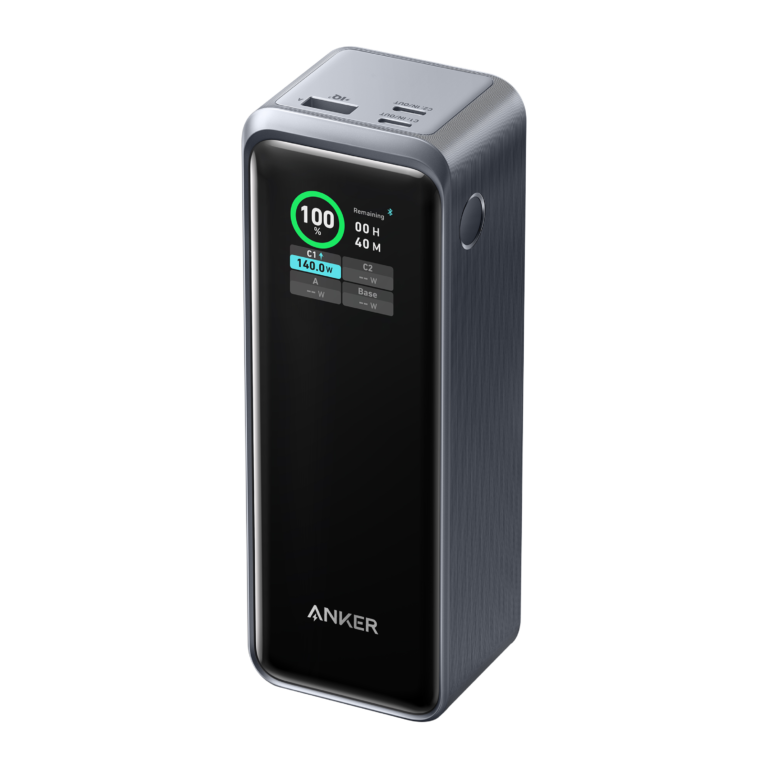
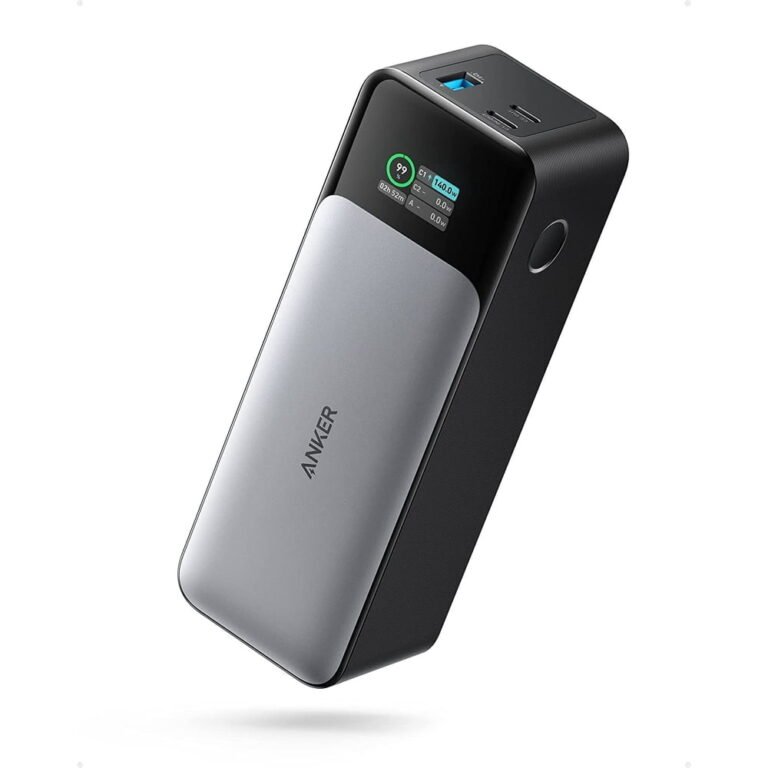
Some products combine a plug-in charger and a battery. That may reduce the number of separate items, but check wall mode and battery mode independently. The available output, port behavior and recharge method can differ. One advertised power figure may not describe every way you use the product.
For a concrete example of why the manual matters, Anker’s 511 Power Bank support page identifies a hybrid design and states that its USB-C port cannot recharge the bank. Do not generalize that behavior to all hybrids; use it as a reminder to read the exact product’s input instructions.
Consider the compromise in your own routine. A combined device can be convenient when its supported modes fit your needs. Separate products let you choose the adapter and battery independently. Compare portability, output in each mode and replacement cost rather than assuming either arrangement is automatically better.
Amazon vs Walmart: compare the same product
After choosing the category, compare exact model numbers and condition. A refurbished unit is a different offer from a new one. Check the included cable, seller, delivery timing, returns and warranty eligibility. The cheapest headline listing may not provide the most suitable complete offer.
Our buttons open search results to help you find candidates. They do not guarantee an identical model appears first or that stock is available. Open each listing and verify it before comparing checkout totals. Neither store is declared cheaper without a current like-for-like comparison.
For Black Friday, save the model and your reference price in advance. Compare the complete cost when offers appear. A discount badge is not proof of a historical low, and a deadline should not replace compatibility checks. Our Black Friday power bank checklist covers that seasonal decision in more detail.
Before you order: a short decision checklist
- Describe where the battery runs low and whether an outlet is realistically available.
- Keep working equipment and identify the missing capability.
- Match output, charging modes and the cable to the exact device.
- For a bank, check stored energy, carry size and refill input.
- For several devices, inspect the simultaneous allocation table.
- Compare the same model, condition and full checkout offer.
Frequently asked questions
Can a power bank replace my wall charger?
It can supply stored energy away from an outlet, but it still needs a supported refill source. Consider the whole charging routine before removing your adapter from the kit.
Should I buy a high-watt charger before a power bank?
Only if the adapter is the missing capability. If your current source works and outlet access is the problem, a suitable bank may be the more useful next purchase.
Do I need both for everyday use?
Not necessarily. Buy around your routine and existing equipment. Predictable outlet access and long gaps away from power create different needs.
Will a bigger power bank always charge faster?
No. Stored energy and output power are separate. Supported charging modes, the cable and device demand determine the operating connection.
Is a hybrid always the smallest complete setup?
Compare actual dimensions, cables and supported modes. Combining functions does not automatically make a product the best fit for your devices.